| Bitcoin Idea Gets $500,000 funding |
| Written by Mike James |
| Thursday, 26 April 2012 |
|
Would you hand over some of your computational resources in return for free game play? If you know anything about Bitcoin this seems like a crazy idea - or is this a new revenue stream for games and apps? Bitcoin has had a rough time recently. As a distributed "virtual" currency it has been first ignored, then it turned into an overnight success with soaring exchange rates, and more recently theft and other problems have seen the exchange rate crash. But, despite all the problems, a bitcoin still has a value and some people are using it.
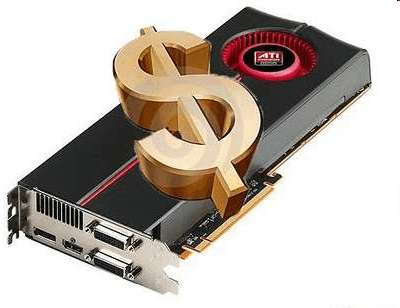
The latest news is that a company called CoinLab has won a $500,000 investment to exploit bitcoin in a way that you might not anticipate. One of the strange features of bitcoin is the way that transactions are validated. This requires bitcoin servers to solve an artificial problem with a set difficulty level - so called "proof of work". To do this needs a lot of CPU cycles and as a reward the first server to complete the task gets some bitcoins as a reward. This is known as bitcoin mining, but its more like selling processor cycles to keep the bitcoin infrastructure going. The proof of work task is so difficult that bitcoin miners have tended to use GPUs to parallelize the algorithm and complete the task quicker. What CoinLab proposes is to allow gamers to download a bitcoin mining program to generate in-game currency. When the mining program solves the problem first and wins some bitcoins these are then converted into real cash which CoinLab, and the game company, gets and in-game cash, which the player gets. What all this means is that you are agreeing to sell your GPU cycles in return for the ability to play a game for free. The standard bitcoin mining software is fairly difficult to set up, so there is going to have to be a lot of work done to make the mining operation transparent to the gamer. As far as gamers are concerned it will be all part of the game software and just a way of creating in-game credits.
CoinLab claims to have a couple of games ready to launch some time next month. It also expects to make more money than advertising would bring it. Of course, it all depends on two factors - how often gamers strike it rich and actually get some bitcoins and what the exchange rate is. Some back-of-the-envelope calculations make a big profit from bitcoin mining seem unlikely - but perhaps there is a secret ingredient. More InformationRelated ArticlesBitcoin still standing - but panic takes over Inside Bitcoin - virtual currency Bitcoin gains an open source client Digital currency lets GPU cycles print money
Comments
or email your comment to: comments@i-programmer.info
To be informed about new articles on I Programmer, subscribe to the RSS feed, follow us on Google+, Twitter, Linkedin or Facebook or sign up for our weekly newsletter. 
|
| Last Updated ( Thursday, 26 April 2012 ) |