| Most Popular Languages For Challenges |
| Written by Mike James |
| Saturday, 09 February 2013 |
|
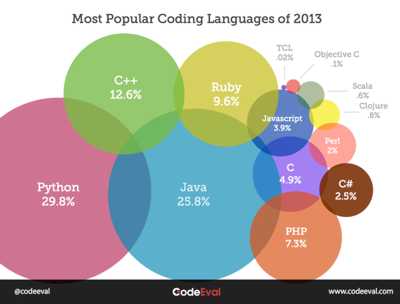
Which language seems to be the most popular depends on how you measure it. CodeEval has some interesting data on which language employers choose when looking to hire someone. CodeEval is a website that sets challenges for programmers to create something or solve a problem. The idea is that potential employers can use a challenge to weed out potential candidates and find programmers who can do the job. Programmers can code up solutions directly into the web page and submit solutions for consideration. The platform supports execution of programs written in:
so the survey is restricted to just these languages. The data come from over 100,000 challenges set by employers. Comparing the data to last year, Python held on to #1 spot but there was a significant drop with it's marketshare losing almost 7% while Java gained 3.5% closing the gap to just 4% between the two leaders. Of the minority languages, Perl lost almost 21% and PHP lost almost 8%. The biggest gainer was C# which leaped up 500% while C was up a modest 22.5%.
It is difficult to be certain what this data is actually telling us, but I have a feeling it is something to do with the employers expectations of the programmer they are looking for. Could it be that Python and Java programmers are expected to be cleverer than the average to get the job done? If so it explains why setting them difficult challenges is a good way to find what you are looking for. On the other hand a PHP programmer just has to churn out boilerplate code - so why bother setting a difficult challenge.... Job Trends Via Twitter Activity
To be informed about new articles on I Programmer, install the I Programmer Toolbar, subscribe to the RSS feed, follow us on, Twitter, Facebook, Google+ or Linkedin, or sign up for our weekly newsletter.
Comments
or email your comment to: comments@i-programmer.info
|
| Last Updated ( Saturday, 09 February 2013 ) |