| New Kinect showcase videos |
| Sunday, 08 May 2011 |
|
In this second update to our article on Kinect technology we have added some new videos to the showcase. . We have some new videos in the I Programmer All About Kinect showcase. 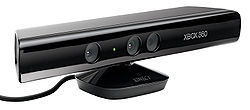
To see any of these videos visit All About Kinect. The showcase is towards the end of the article. ArtSound boardPlay any surface that you care to markup as an instrument. This could have been classified as a new user input method but you could use it to create new musical instruments. Noise InkA Kinect based art installation where body movements controlled a fluid ink projection. It is amazing what you can persuade people to do in public! Flying toasters!Yes this is based on the original Flying Toasters screen saver that shipped with Windows at a time when screen savers were actually needed to save CRT screens burning in. As the user flaps so does the toaster. Is this art? Is this a computer game? 3D modelingBe Your Own SouvenirCreate a model of yourself with a 3D Kinect map. There are lots of possibilities for connecting a Kinect to a 3D printer and this one has a very arty feel to it. Robot NavigationControl the Humanoid Robot by KinectThis is just cute - not a breakthrough but fun to watch. Parrot AR DroneFly the plane just using body movements. The big problem is do you really want to cause a crash just because your arms got tired? New User InterfacesWorldWide Telescope controlBody control for the WorldWide Telescope– when you add Kinect to the mix, it’s addictive. You can ride through the galaxy with the wave of a hand – zoom in to a planet, leap across star systems. It’s beautiful. To see any of these videos visit All About Kinect. The showcase is towards the end of the article. If you know about well advanced projects that are implementing any of the above ideas, or other interesting applications of Kinect technology, send an email to the editor.

|
| Last Updated ( Sunday, 08 May 2011 ) |